
9 Skills Every HR Professional Needs in 2026

As the ever-evolving digital landscape continuously affects the multifaceted aspects of our lives, it also changes how we work within an organisation. Under these circumstances, new competencies are expected from the human resources (HR) professionals. They must adapt to fast-emerging trends, acquire new skills, and learn to utilise all the latest technology for talent and people management, in order for their corporations to keep thriving in this age.
Why Future-Ready HR Skills Matter

The future of HR will be both technology and people-centric, with specialists in this field expected to take on many hats and responsibilities. To stay relevant in different industries, HR professionals must equip themselves with skills beyond merely sourcing the best talent. These include nurturing leadership and increasing cultural awareness to navigate the dynamic business environment.
Core HR Skills Every Professional Must Master
Strategic Workforce Planning
Being able to forecast workforce needs is at the heart of modern talent management. By aligning headcount, roles, and skills with business strategy, HR professionals secure the agility organisations need to adapt to market disruptions.
HR Reporting Skills
Clear and consistent reporting transforms HR from an administrative function into a strategic advisor. Mastering these HR competencies ensures leaders have the evidence they need to make informed workforce decisions.
Coaching and Mentorship Skills
Developing people is central to the future of HR. HR professionals who act as coaches and mentors can cultivate leaders within the organisation, strengthening retention and succession pipelines.
Negotiation
From managing contracts to resolving workplace disputes, negotiation is an essential skill. It allows HR to balance organisational goals with employee needs, building trust and long-term relationships.
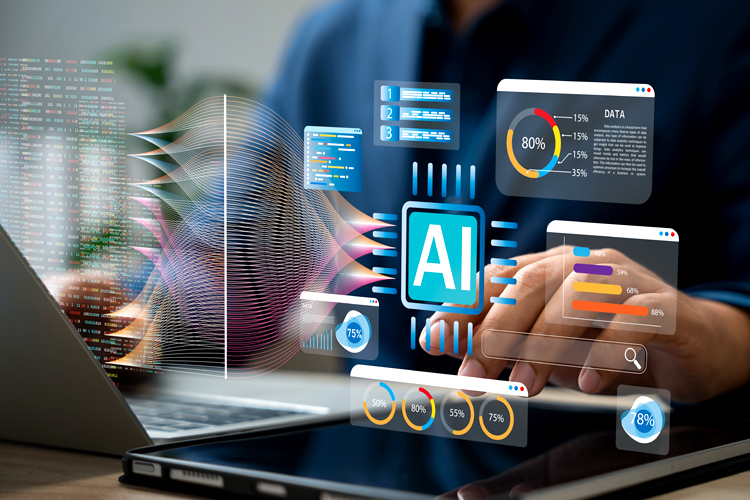
AI Fluency & Adoption
With HR technology now embedded in every stage of the employee lifecycle, fluency in AI tools is critical. HR leaders must not only adopt AI for efficiency but also ensure its use aligns with ethical practices and minimises bias.
Project Management
Delivering HR initiatives requires structure and discipline. Strong project management ensures complex rollouts, from new HRIS systems to cultural transformation programmes, are completed on time and within scope.
Risk Management
The regulatory environment surrounding data protection, workplace safety, and employment law is increasingly complex. HR professionals who master risk management protect both the workforce and the brand.
Cultural Awareness and Sensitivity
Global organisations rely on HR to navigate cultural nuances. Sensitivity in this area supports inclusion, prevents missteps, and reinforces a respectful workplace.
People Analytics
Modern HR relies heavily on people analytics. By interpreting employee data, HR can uncover insights into engagement, retention, and performance, turning information into action.
HR Trends to Watch in 2026

The next few years will redefine the future of HR, with emerging technologies, shifting workforce expectations, and evolving cultural priorities reshaping how organisations attract, engage, and retain talent.
Employee Wellbeing, Experience, and Inclusion
Employee well-being will remain at the centre of HR priorities. According to a survey by Deloitte in 2025, 72% of millennials and 67% of Gen Zs with strong mental health find their work meaningful, which directly contributes to their job satisfaction. This shows why wellbeing programmes, inclusion initiatives, and continuous learning will shape the future of HR. Expect talent management strategies to integrate mental health support, personalised benefits, and inclusive policies as standard practice.
Technology and Data-Driven HR
The rise of HR technology is reshaping the profession. AI-driven platforms now assist with recruiting, workforce planning, and performance management, while people analytics delivers predictive insights for decision-making. Gartner reports that, by 2026, 74% of organisations will deploy employee experience platforms to provide hyper-personalised learning and career journeys. For HR, the message is clear: data mastery is now a non-negotiable competency.

Evolving Workforce and Hiring Practices
The workforce is moving beyond traditional models. Hybrid and remote arrangements demand sharper digital collaboration policies, while skills-based hiring is overtaking degree-based recruitment. Standardised skills taxonomies will dominate, ensuring fairer assessments of capability. At the same time, gig and blended workforce models are accelerating, requiring HR to design more flexible and adaptive systems.
Strategic HR Leadership and Organisational Culture
The CHRO role is shifting from compliance officer to strategic leader. HR leaders are expected to drive cultural transformation, spearhead digital adoption, and foster agility across the enterprise. In many organisations, the CHRO will act as a Chief Change Officer, embedding ethical practices, transparent governance, and trust at the centre of organisational culture.
Growth of Human-Centric Skills
As automation handles repetitive tasks, the market will place a premium on human skills: creativity, empathy, and adaptive leadership. These uniquely human qualities will define the HR competencies of the future, ensuring HR professionals remain vital in navigating complex relationships and shaping innovation.
How to Future-Proof Your Career in HR

If you are seeking to stay ahead and relevant in the world of people management, enrol in the BA (Hons) Business and Human Resource Management (Final Year Degree) at the University of Sunderland to gain a unique advantage for your future HR career. The programme delves into key concepts in talent management, organisational culture, and HR technology, allowing you to easily embrace the new competencies necessary for business application in organisations. As the HR profession shifts toward strategic influence, blending people analytics with human-centric leadership, this degree equips you to step confidently into the future of HR. Connect with us today and explore how this top-up programme can accelerate your career journey.
FAQs on HR Skills and Competencies
What are the top HR skills employers seek in 2026?
Employers are prioritising HR competencies such as strategic workforce planning, people analytics, negotiation, coaching, and managing business continuity and resilience. These skills combine data fluency with human-centric leadership, positioning HR as a strategic business partner.
What is the future of people analytics?
The future of people analytics lies in predictive insights. Instead of simply reporting past performance, analytics will anticipate employee needs, forecast turnover risks, and guide workforce planning with real-time intelligence.
What HR technology trends will dominate the future?
The future of HR technology will be defined by AI integration, hyper-personalised employee experiences, and cloud-based HR ecosystems. From recruitment to retention, intelligent systems will streamline operations while empowering HR to focus on strategy and culture.